
When total waste management solutions business Papilo, completed its acquisition of Allwood at the start of 2026, the focus shifted immediately to bringing two complementary businesses together in a way that was both structured and people-centred.
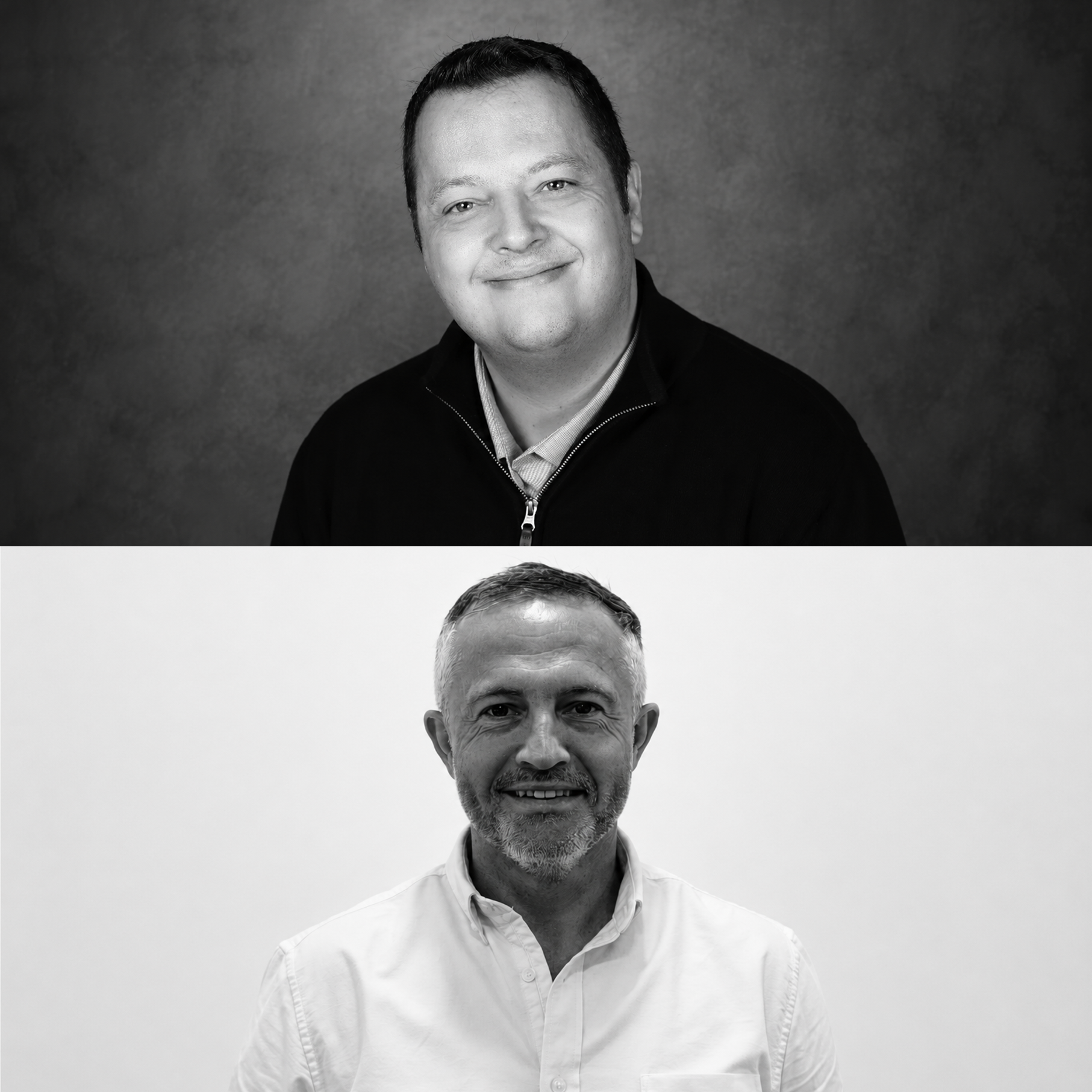
We sat down with Papilo CFO Russell Collins and Managing Director Gavin Ebery to hear how the integration has taken shape, what has worked well, and what other management teams can learn from the process.
Since Papilo’s acquisition of Allwood, how would you describe the group’s evolution and the key milestones in bringing the two businesses together?
Russell:
The acquisition is still in its early stages, having been completed at the end of January, but we have already established a clear integration framework. This includes a detailed tracker to monitor progress and ensure accountability across key workstreams.
Our focus has been on practical milestones, particularly IT integration and cultural alignment. Bringing the two organisations together from a people perspective has been critical. Strategically, the acquisition was driven by diversification: expanding both our offerings and customer base. While some efficiencies will naturally emerge, this was not about aggressive cost reduction but about building a broader, more resilient business.
Gavin:
One of the most important early milestones was clear communication, both internally and externally. While some of us were aware of the acquisition beforehand, formally announcing it allowed us to engage employees and customers with clarity and confidence.
That transparency has enabled us to move forward with integration at pace, bringing together key individuals from both businesses and leveraging the strengths on each side.
What have been the core financial and strategic priorities in integrating Papilo and Allwood, and how have you ensured alignment across the leadership teams and wider employee base?
Russell:
A central priority has been defining new customers that the enlarged group can now target. Papilio has a strong position in food waste, while Allwood specialises in wood and pallets. Together, this creates a compelling proposition for large-scale customers where our combined capabilities are highly relevant.
In terms of leadership alignment, many of the Papilio management team were involved in the acquisition process, so there was already strong alignment around the strategic objectives from the outset.
Gavin:
From a leadership perspective, bringing the two teams together quickly has been essential. We’ve introduced town halls and made anonymous communication channels available to ensure employees can ask questions and stay engaged.
This has created a more open dialogue and helped ensure alignment, while also giving leadership better visibility of opportunities across the organisation.
With Palatine as your private equity partner, how has their support shaped the integration strategy and enabled Papilo to scale post-acquisition?
Gavin:
Palatine’s support has been instrumental. They maintain regular engagement, providing both constructive challenge and reassurance. This helps us stay focused and maintain momentum during what is a complex integration process.
They’ve also been very supportive of the Allwood team, and there is clear potential for further investment to support long-term growth and stability.
Russell:
What stands out about the Palatine team is their pragmatism. They are commercially focused but also realistic and flexible in their approach. If elements of the integration plan need to evolve, they are open to that and take a measured, rational view.
They’ve also supported continued investment in areas such as IT and people strategy, while keeping a longer-term perspective on future acquisitions. Importantly, they help ensure we remain disciplined and focused throughout the process. We are very grateful to James, Greg and Rachael for their continued support.
What insights have you gained from combining Papilo and Allwood’s capabilities, particularly in driving efficiencies, unlocking synergies, and enhancing customer value?
Gavin:
It became clear very quickly that the two businesses’ strengths are highly complementary. We’ve already identified opportunities across key waste streams, as well as new combined offerings.
In many ways, it reinforces the idea that the combined business is significantly stronger than the two operating separately.
Russell:
From the outset, we approached this as the combining of two great businesses and that mindset has been important in recognising that there are often multiple ways to do things, and that the focus should be on what works best for the combined group.
Efficiencies have largely come through naturally, such as consolidating systems, suppliers, and processes, rather than a focus on cost-cutting. In some cases, we’ve also added immediate value for customers, such as expanding access to digital tools and platforms.
Looking ahead, what role will financial strategy and investment play in the next phase of growth?
Russell:
Financial strategy will be central to the next phase. Acquisitions remain part of our broader approach with the immediate priority being successful execution of the Allwood/Papilo integration.
As we move towards the next stage of our partnership with Palatine, the focus will increasingly shift towards value enhancement. This includes strengthening cash flow, maintaining financial discipline, and demonstrating the success of our buy-and-build strategy to future investors.
Gavin:
I agree with that, Russell. Our focus now is on executing well, embedding the integration, and building a strong platform for sustainable growth.